What Do Home Warranties in Nevada Actually Cover?
Home warranties in Nevada provide a service contract that covers the repair or replacement of major home systems and appliances that break down due to normal wear and tear. While standard homeowners insurance protects against unexpected perils like fire or theft, a home warranty steps in when your air conditioner fails in July or your refrigerator stops cooling. Understanding the exact mechanics of these policies is essential for protecting your property investments without overpaying for unnecessary coverage. Knowing the nuances ensures a seamless experience when an inevitable breakdown occurs.
Table of Contents
- Understanding Home Warranties in Nevada Plans
- Average Costs for Nevada Homeowners
- Common Exclusions and Fine Print
- How the Claims Process Works
- Real Estate Transactions and Warranties
- Special Considerations for Desert Homes
- Maximizing the Value of Your Policy
- Frequently Asked Questions
Understanding Home Warranties in Nevada Plans
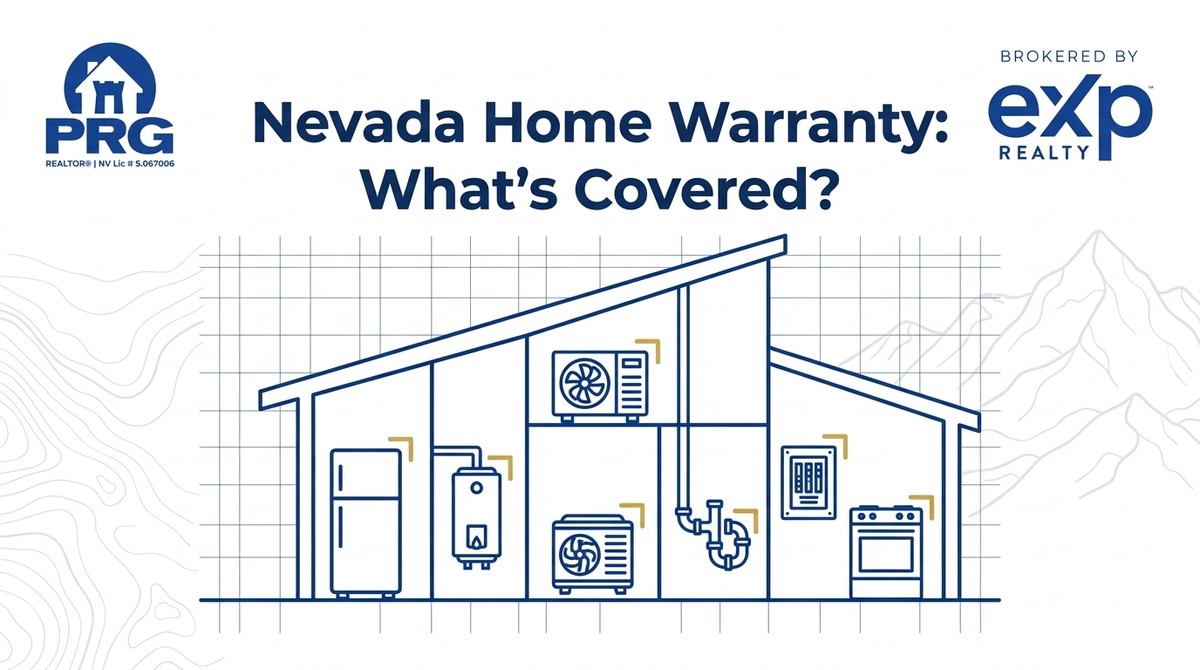
Most warranty companies offer tiered structures that allow homeowners to select exactly what level of protection they need. A basic appliance plan typically covers kitchen and laundry machines, offering protection for your refrigerator, dishwasher, oven, and washer. System plans shift the focus to the structural mechanics of the house, covering critical infrastructure like electrical panels, plumbing systems, and water heaters.
For those wanting maximum peace of mind, comprehensive plans combine both appliance and system coverage into one robust package. This tier is highly recommended for buyers moving into older homes or those utilizing our comprehensive buyers guide for Nevada properties. Comprehensive packages ensure that a sudden breakdown in a central heating unit or a smart refrigerator does not drain your emergency savings.
You can also add optional coverage for items that fall outside standard policies. Pool and spa equipment, standalone freezers, and secondary air conditioning units frequently require these a la carte additions. Building a customized plan guarantees you are only paying for the coverage you actively need to maintain your specific property.
Average Costs for Nevada Homeowners
The financial commitment for a home warranty involves two primary components: the annual premium and the service call fee. Annual premiums typically range from four hundred to eight hundred dollars depending on the size of the home and the comprehensiveness of the selected plan. Paying this premium upfront at closing is common, though many companies allow monthly installments for easier budgeting.
Service fees act similarly to an insurance deductible and must be paid each time you request a technician to visit your home. These fees usually fall between seventy-five and one hundred and twenty-five dollars per claim. When selecting a policy, you will often find an inverse relationship between the annual premium and the service fee; higher premiums generally result in lower per-visit costs.
Homeowners must weigh these costs against the potential out-of-pocket expenses of major repairs. Replacing a standard HVAC system in the Las Vegas valley can easily exceed ten thousand dollars. When viewed through the lens of risk management, an annual policy provides absolute peace of mind for sudden, catastrophic equipment failures, a strategy we discuss in our breakdown of rental property investments in the Las Vegas valley.
Common Exclusions and Fine Print
Reading the terms and conditions is a critical step because no home warranty covers absolutely everything inside a residence. The most common denial of service occurs due to pre-existing conditions that were present before the policy went into effect. Warranties are designed specifically for items that fail after the contract begins, meaning a malfunctioning dishwasher noted on your home inspection report will likely be excluded.
Another significant reason claims get denied is the lack of routine maintenance on the part of the homeowner. If an air conditioning condenser fails because the filters were never changed or the coils were never cleaned, the warranty company can refuse to pay for the repair. Maintaining service records and receipts for annual HVAC tune-ups is highly recommended to prove that you have properly cared for your systems.
It is also crucial to understand the limitations and caps placed on certain types of repairs or specific appliances. A policy might cover plumbing but explicitly exclude clearing stoppages caused by tree roots outside the foundation. Always ask your provider for a sample contract to review these caps before committing to a full year of coverage.
How the Claims Process Works
When an appliance or system fails, initiating a claim must be done promptly through your warranty provider’s portal or customer service line. You cannot hire your own contractor first and expect the warranty company to reimburse you later. The provider will dispatch an approved, licensed technician from their network to assess the problem and determine if it falls under normal wear and tear.
Once the technician arrives, you will pay the predetermined service fee directly to them or the provider. The technician diagnoses the issue, reports back to the warranty company, and waits for authorization to proceed with the repair. This authorization step is vital because the warranty company ultimately decides whether to repair the malfunctioning component or replace the entire unit.
If a replacement is authorized, be aware that companies are only obligated to provide an item with similar features and capacity, not necessarily the same brand or color. Upgrading to a premium appliance during a replacement usually requires the homeowner to pay the price difference out of pocket. Setting clear expectations about this process is something we emphasize when reviewing first time homebuyer tips for the Las Vegas market.
Real Estate Transactions and Warranties
During the purchase of a property, home warranties frequently become a negotiated item within the sales contract. It is a common practice for sellers to offer to pay for the first year of a buyer’s home warranty as an incentive to close the deal. This gesture provides the buyer with immediate reassurance that they will not face massive repair bills right after draining their savings on a down payment.
Sellers can also benefit from securing coverage during the listing period to protect systems while the home is on the market. If the water heater bursts during escrow, the seller’s coverage handles the repair, ensuring the transaction does not fall apart over a surprise expense. This proactive strategy is an excellent way to maintain a smooth, profitable transaction for everyone involved.
Veterans utilizing specific financing options should discuss warranty negotiations with their real estate consultant early in the process. Structuring the purchase agreement to include this coverage can preserve vital capital for our military clients. For more details on structuring these transactions, refer to our guide for veteran homebuyers in Las Vegas.
Special Considerations for Desert Homes
Living in a desert climate places unique stresses on specific home systems that require specialized attention. The continuous, heavy operation of air conditioning units from May through October means your HVAC system must be fully protected by your warranty plan. You should verify whether your policy covers refrigerant recapture and disposal, as these environmentally mandated fees are sometimes excluded and can be quite expensive.
Pools are another major factor for Las Vegas residents, as a large percentage of homes feature backyard swimming facilities. Standard warranty plans almost never include pool pumps, sweeps, and heaters by default, so you must specifically request and purchase this add-on. Given the high cost of replacing a variable speed pool pump, this addition is almost always a wise investment.
Hard water is another localized issue that can accelerate the deterioration of plumbing fixtures and water heaters across the valley. You should carefully review your policy documentation to ensure that failures attributed to sediment buildup or hard water scaling are not hidden in the exclusions list. Being proactive about these regional quirks is a key step outlined in our relocating to Las Vegas playbook.
Maximizing the Value of Your Policy
Keep meticulous records of all appliance purchases, manuals, and professional service receipts in a centralized physical folder or digital cloud drive. Warranty companies heavily scrutinize maintenance history when an expensive component like a water heater or furnace catastrophically fails. Having a clear paper trail proves that the breakdown resulted from natural wear and tear rather than homeowner negligence. This proactive organization eliminates the friction that often delays the approval of high-value claims.
It is equally important to read the complete sample contract before finalizing your purchase, paying close attention to the specific dollar limits assigned to each category. A policy might advertise comprehensive plumbing coverage but impose a strict five-hundred-dollar limit on any concrete-encased pipe leaks. Understanding these financial ceilings prevents unpleasant surprises when a technician explains that a major repair will require a significant out-of-pocket contribution. Knowledge is your best defense against feeling shortchanged during the claims process.
Finally, do not hesitate to escalate a denied claim if you firmly believe the technician misdiagnosed the issue or the provider misinterpreted the contract. Requesting a second opinion from another network contractor can sometimes reverse an unfair denial, especially for complex HVAC or electrical problems. Partnering with a dedicated real estate consultant means you have an advocate who can provide guidance on navigating these bureaucratic hurdles. Securing the coverage you paid for is an essential part of responsible homeownership in Nevada.
Frequently Asked Questions
Can I choose my own contractor for warranty repairs?
No, warranty companies require you to use their network of approved, licensed technicians to ensure negotiated rates and quality control. If you hire an outside contractor without explicit prior authorization from the warranty provider, your claim will almost certainly be denied. Some companies will allow outside contractors only if they cannot find an available technician in their own network.
Are roof leaks covered by a standard warranty?
Standard plans typically focus entirely on interior systems and appliances, leaving the roof structure completely unprotected. However, many providers offer optional roof leak coverage as an add-on for an additional fee. This add-on usually covers patching leaks over the occupied living areas but will not pay for a full roof replacement.
When does the warranty coverage actually begin?
If the warranty is purchased as part of a real estate transaction, the coverage usually begins on the exact day of closing. If you are buying a policy for a home you already own, there is typically a waiting period of thirty days before you can file your first claim. This waiting period prevents homeowners from buying a policy solely because an appliance just broke.
Ian Palast
Realtor® NV LIC# S.067006
eXp Realty