At Palast Realty Group, we rely on 30 years of empirical market data to analyze the shifting dynamics of the Las Vegas real estate sector. The sustained influx of out-of-state buyers, particularly from California, continues to fundamentally alter our local market. This migration is not a temporary anomaly. It is a calculated reallocation of capital driven by macro-economic advantages, and it requires a strategic response from buyers, sellers, and investors.
The Macro-Economic Drivers of Capital Relocation
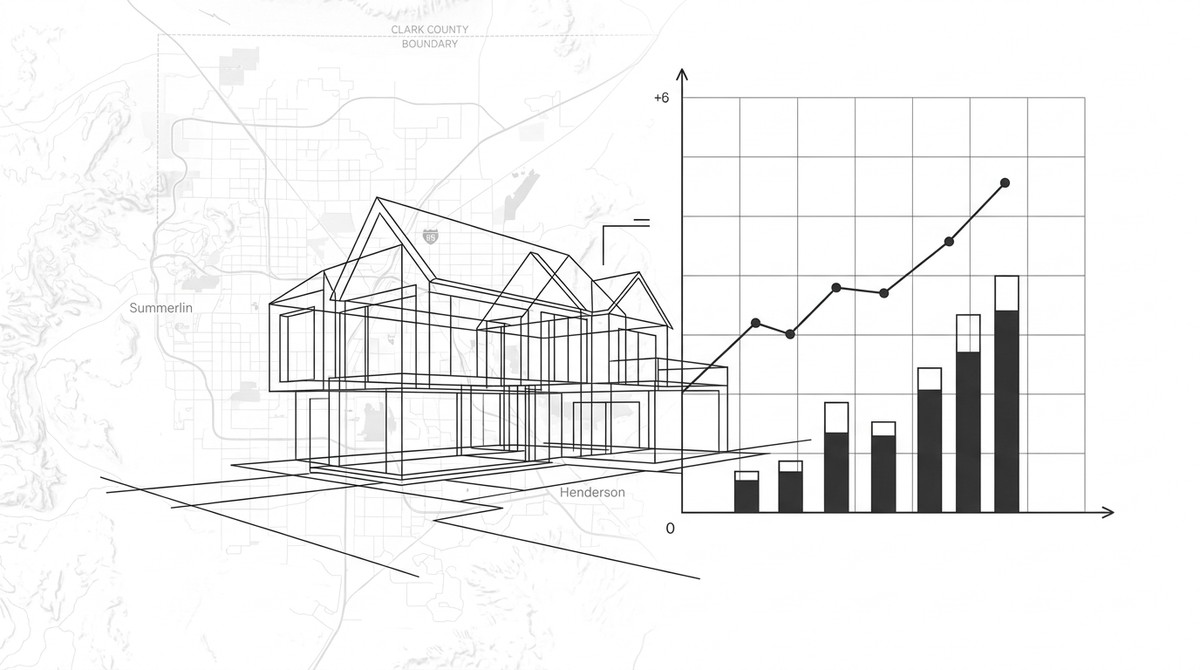
Buyers relocating to Clark County, specifically targeting master-planned areas like Summerlin and Henderson, are motivated by strict financial metrics. Nevada offers zero state income tax and a lack of rent control, creating a highly favorable environment for both primary residents and investors. When buyers exit high-tax states, they execute an equity transfer, which is the process of moving capital from a high-cost market to a lower-cost market to maximize purchasing power. This allows them to acquire premium assets, such as new construction properties or homes in guard-gated communities, often with significant cash reserves.
Inventory Absorption and Pricing Dynamics
The continuous arrival of well-capitalized buyers directly impacts inventory absorption. Inventory absorption is the rate at which available homes are sold in a specific market during a given time period. As out-of-state buyers acquire properties, the available inventory decreases, which inherently drives up median home prices. This dynamic alters the negotiating leverage, or the relative power each party holds during a transaction, for all market participants.
Over our three decades of tracking Las Vegas real estate cycles, we have observed that external capital accelerates price appreciation faster than local wage growth. Historically, Las Vegas experienced volatile cycles driven by speculative lending. Today, the market is anchored by substantial cash equity from relocating buyers, providing a foundation of equity stability that insulates the region from broader national downturns. Sellers currently hold a distinct advantage when pricing properties accurately, while local buyers must rely on precise market timing and strategic financing to secure favorable terms.
Strategic Implications for Investors and Sellers
For property owners, the current demand from relocating families presents an optimal window to maximize valuation. Sellers can attract these buyers by offering targeted seller concessions, defined as closing costs paid by the seller to help the buyer reduce their out-of-pocket expenses. Alternatively, sellers might offer rate buydowns, which involve paying upfront fees to lower the buyer’s mortgage interest rate for the first few years of the loan. These tactics maintain high top-line valuations while providing the buyer with immediate financial relief.
For investors, the influx of new residents supports strong rental demand. Investors must carefully calculate capitalization rates, the rate of return on a real estate investment property based on the income that the property is expected to generate, to ensure long-term cash flow. The lack of rent control in Nevada allows investors to adjust yields in real-time as market demand increases, making Las Vegas a premier destination for capital deployment.
Calculated Next Steps
Real estate transactions require objective analysis and strategic execution. The data clearly indicates that out-of-state relocations will continue to shape Las Vegas property valuations for the foreseeable future. We advise our clients to base their decisions on current market realities rather than speculation. To leverage our analytical tools and discuss how these migration trends impact your specific portfolio, we recommend scheduling a strategy call. Please Contact Us to initiate a data-driven review of your real estate objectives.